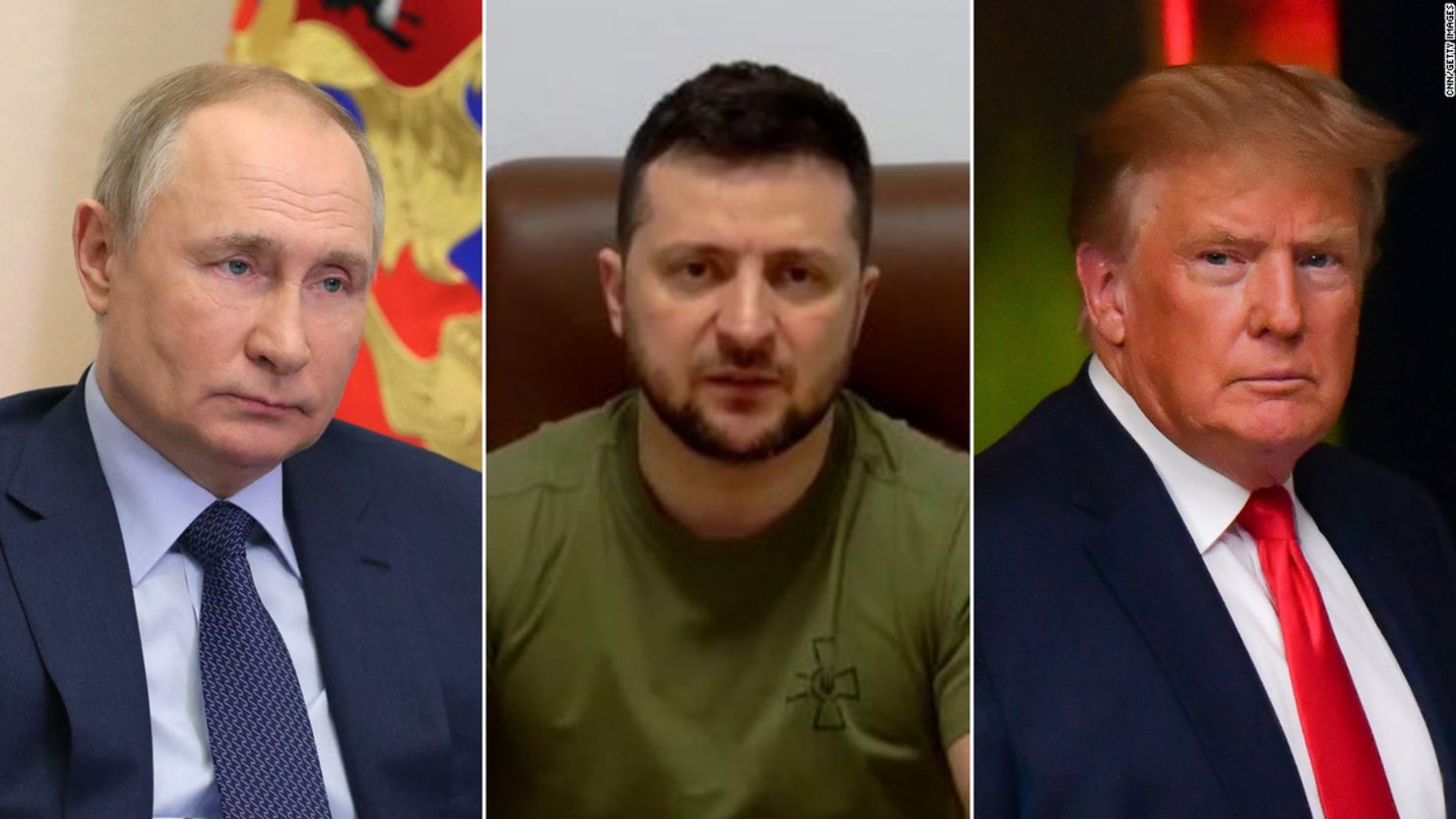
This report provides an analysis of the current geopolitical landscape surrounding the war in Ukraine, focusing on key developments, strategic resources, military operations, international diplomacy, and global energy dynamics.
1. Trump’s Transactional Approach and Ukraine’s Rare Earths
U.S. President Donald Trump has proposed a transactional diplomacy model, suggesting that the U.S. could continue its military support for Ukraine in exchange for access to Ukraine's rare earth mineral resources. These minerals are crucial for high-tech industries, including defense and renewable energy. The proposal highlights Trump’s mercantile stance, positioning Ukraine's rare earths as a strategic asset for U.S. interests, especially to counter China's dominance in the rare earth market.
However, many of Ukraine's richest deposits are in contested areas like Donbass, which are under Russian control or near active conflict zones. Ukrainian President Volodymyr Zelensky has supported the concept, linking resource access with military aid to regain occupied territories. This echoes a "mines-for-arms" proposal Zelensky discussed with Western allies earlier.
Despite the proposal's strategic appeal, implementing such a deal faces practical challenges, including the ongoing conflict and uncertain mining potential in disputed regions. The geopolitical dynamics between the U.S., Russia, and China add further complexity to the situation, making it unlikely to materialize without a resolution to the war.
2. Ukraine’s Counter-Attacks and Military Challenges
Ukraine has continued its counter-offensive operations along the front lines, particularly in the Donbass region, where it aims to curb Russian territorial gains. Ukrainian forces have recaptured several villages in the Kursk, Toretsk, and Pokrovsk areas. However, Russia maintains a strong position in Donetsk, advancing steadily toward key cities like Kramatorsk and Sloviansk.
Despite localized successes, Ukraine's counter-attacks have come at a significant cost, with substantial losses in equipment and personnel due to Russian drone and artillery strikes. The decreasing supply of Western arms raises questions about the sustainability of this strategy, especially as Russia continues to push forward in a war of attrition. Ukrainian military operations are largely seen as attempts to buy time and strengthen its negotiating position for future peace talks.
3. Military Aid and Air Defense: The Mirage 2000-5 Arrival
France has delivered the first Mirage 2000-5 aircraft to Ukraine as part of efforts to bolster Ukraine's air defense capabilities. However, experts caution that the arrival of these planes, alongside existing F-16s and MiG-21s, will not significantly alter the military balance. Ukraine’s air defense remains insufficient to counter modern Russian aircraft or achieve air superiority. Moreover, logistical challenges such as the integration of different aircraft types and maintaining air assets against Russian strikes further complicate Ukraine’s defense.
4. Trump’s Geopolitical Leverage and Oil as a Weapon
Donald Trump has also proposed using oil as a geopolitical weapon in negotiations regarding the war in Ukraine, Russia, and Iran. Trump’s strategy involves leveraging U.S. oil production to influence global energy prices, potentially using lower prices to pressure Russia and Iran. This approach aligns with Trump’s broader energy policy, aiming to reduce dependence on foreign oil and expand U.S. global influence.
While the strategy could weaken Russia and Iran economically, it carries risks, particularly if oil prices rise sharply due to geopolitical tensions. The proposal reflects Trump’s transactional approach, seeking to use economic tools to gain leverage in global negotiations, especially in relation to the Ukraine conflict.
5. Russia’s Territorial Gains and Economic Strategy
Russia has made significant territorial advances in Donbass, including the capture of the city of Toretsk. This victory brings Russia closer to key Ukrainian cities like Kramatorsk and Pokrovsk. However, these gains come at a high human and material cost, with many cities, including Toretsk, destroyed by months of fighting.
On the economic front, Russia has shown resilience, with a 4.1% growth rate in 2024, driven by military spending and manufacturing. However, the long-term economic outlook is grim, with projections of a slowdown to 1.6% growth in 2025. Sanctions from Europe, labor shortages, and inflation, particularly in basic goods, are straining Russia’s economy. Despite these challenges, Russia is shifting its economic focus toward new partners, particularly China and India, to mitigate the impact of sanctions.
6. Putin’s Strategy to Divide the EU
Russian President Vladimir Putin has been working to deepen divisions within the European Union (EU) by aligning with pro-Russian leaders such as Hungary’s Viktor Orban and Slovakia’s Robert Fico. These leaders have criticized Ukraine and NATO, advocating for a ceasefire and a shift in EU policy. Russia’s influence strategy also includes covert actions such as misinformation campaigns and destabilizing electoral processes within European countries.
The EU remains divided on issues like energy dependence on Russia, with some countries, including Slovakia, expressing concerns over disruptions in gas supplies. Despite this, EU unity on sanctions and support for Ukraine has largely held. However, the growing influence of pro-Russian parties and figures within the EU poses a long-term challenge to the union's cohesion.
7. Diplomatic Developments and Potential Talks
President Zelensky has expressed a willingness to engage in direct negotiations with Russian President Vladimir Putin, signaling a potential shift in Ukraine's stance. However, Russia’s demands for territorial concessions are unacceptable to Ukraine. The ongoing military developments and international diplomatic pressure make peace talks a complex and uncertain prospect.
In parallel, the geopolitical maneuvering involving Trump and the rare earths proposal adds another layer of complexity to Ukraine’s diplomatic efforts. Discussions with the U.S. regarding potential meetings between Zelensky and Trump are ongoing, highlighting the importance of continued Western support in Ukraine’s struggle against Russian aggression.
Conclusion
The geopolitical landscape surrounding the war in Ukraine is marked by complex military operations, economic strategies, and international diplomatic negotiations. Ukraine’s efforts to counter Russian advances are hampered by high costs in terms of personnel and resources, while the country’s rare earth mineral resources remain a key point of contention in U.S.-Ukraine relations. The involvement of international powers like the U.S. and Russia, as well as the internal dynamics within the EU, will continue to shape the trajectory of the war and the future of Ukraine’s sovereignty.
The situation remains fluid, and the strategic value of Ukraine’s resources, along with the ongoing military and diplomatic developments, will likely play a critical role in determining the conflict's outcome.