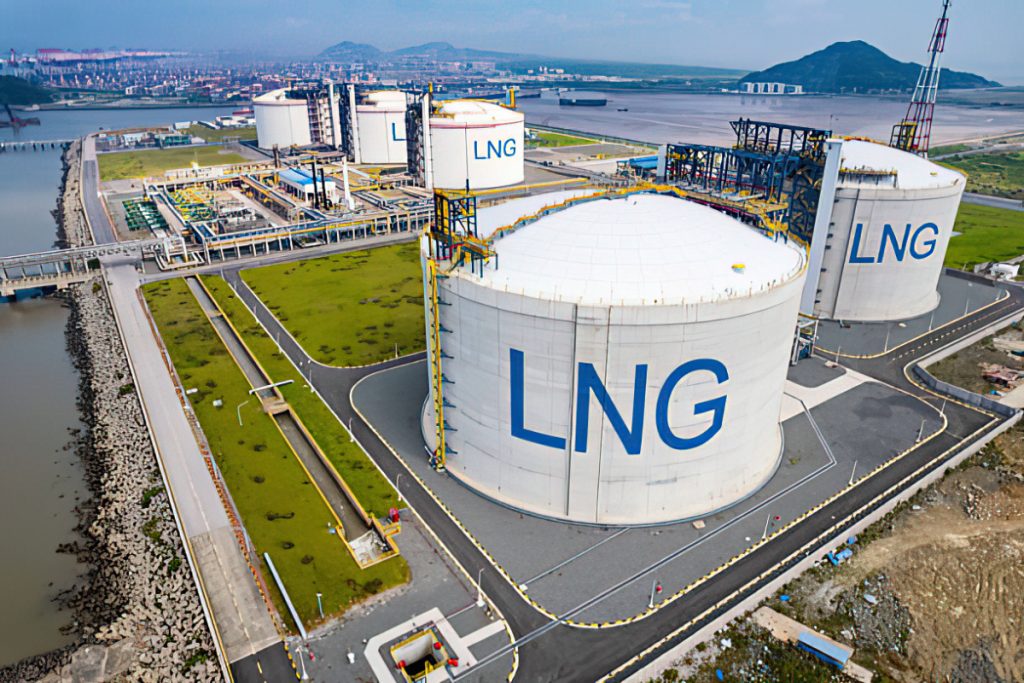
The recent Russia-Ukraine war has highlighted the importance of energy security for the European Union (EU). The EU is heavily dependent on Russian natural gas imports, and the conflict has raised concerns about the stability of these supplies. To address this issue, the EU has been exploring alternative sources of energy, including liquefied natural gas (LNG).
LNG is natural gas that has been cooled to a liquid state for transportation and storage. It has several advantages over traditional gas pipelines. Firstly, it can be transported by sea, which reduces the risk of supply disruptions due to geopolitical tensions or technical issues. Secondly, LNG can be stored for longer periods than gas pipelines, providing greater flexibility in managing supply and demand.
The EU has been investing heavily in LNG infrastructure in recent years, including new terminals and storage facilities. This investment is beginning to pay off, as LNG imports to the EU have increased significantly in the last decade. According to the International Energy Agency, LNG imports to the EU increased from 38 billion cubic meters in 2010 to 105 billion cubic meters in 2019.
The impact of LNG on the EU's energy security has been significant. It has provided a diversification of supply, reducing the EU's reliance on Russian gas. In addition, LNG has created a more competitive market for gas in Europe, as it has introduced new suppliers and increased supply options. This competition has led to lower prices for consumers and increased bargaining power for the EU in gas negotiations with suppliers.
Furthermore, LNG has enabled the EU to take advantage of global gas markets, which has led to greater price stability. In the past, the price of gas in Europe was linked to the oil price, which could lead to volatile prices. With LNG, the EU can take advantage of cheaper gas prices from other regions, such as the United States and Australia.
However, there are still challenges to be addressed in the LNG market. Firstly, the infrastructure for LNG is still relatively new, and there are concerns about the reliability and safety of LNG terminals and storage facilities. Secondly, LNG is still more expensive than traditional gas pipelines, which could limit its uptake in the market. Finally, LNG still relies on the availability of natural gas, which is a finite resource.
In conclusion, the impact of LNG on the EU's energy security after the Russia-Ukraine war has been positive. It has provided a diversification of supply, increased competition, and price stability. However, there are still challenges to be addressed in the LNG market, and the EU must continue to invest in infrastructure and explore alternative sources of energy to ensure long-term energy security.