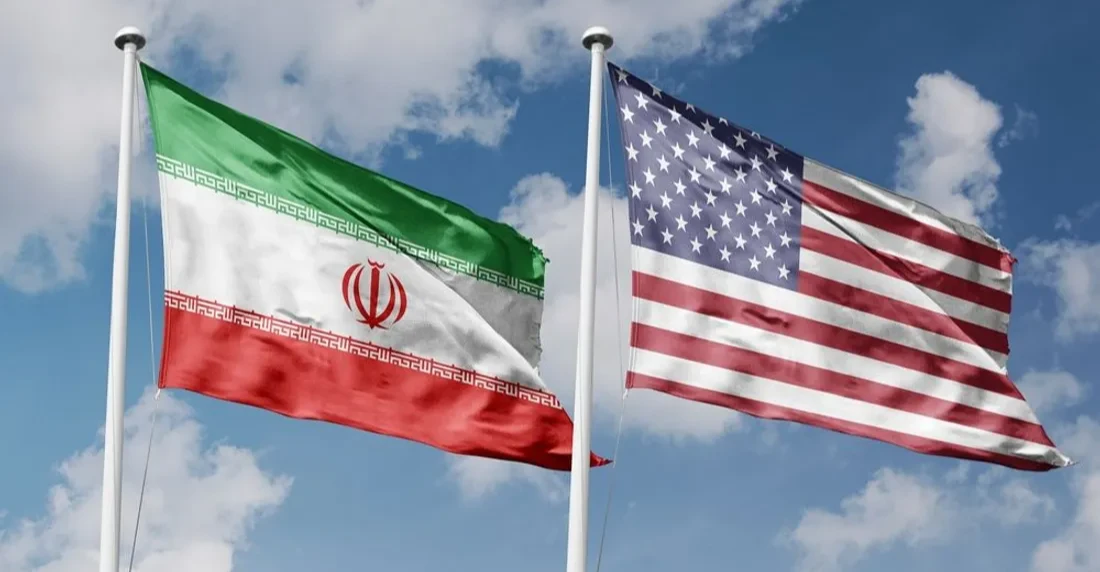
After more than three months of war and two months of an on-and-off ceasefire, the United States and Iran say they are close to signing a written understanding. The document is a memorandum of understanding now commonly called the Islamabad Memorandum, after the role Pakistan played alongside Qatar in mediating. Iranian officials describe it as fourteen points across fewer than two pages. Pakistan's prime minister said a final text had been reached and that it could be signed electronically, without a ceremony and without officials from the two sides meeting in person. Each government would announce it separately. As of mid-June, neither Washington nor Tehran had formally confirmed a final version.
What the memorandum is reported to cover
The memorandum is an interim step rather than a full settlement. Its central elements, as described by officials and mediators, are a reopening of the Strait of Hormuz and a lifting of the US naval blockade of Iranian ports, together with a ceasefire extended across all fronts, including Lebanon, for sixty days. During that window the two sides would negotiate a second, more detailed agreement covering Iran's nuclear program and the easing of sanctions. The text is also reported to include mutual pledges not to start a war, not to threaten force, and not to interfere in each other's internal affairs. The most difficult questions are deferred to the follow-on talks, which is part of why a near-term signature is considered possible after repeated earlier predictions of an imminent deal did not hold.
Two different descriptions of the same text
Washington and Tehran describe the agreement in markedly different terms. The US side presents it as a performance-based arrangement: Iran would commit to addressing its nuclear program, including its stock of highly enriched uranium, accept inspections, and limit support for allied armed groups, with economic relief following as those steps are verified. US officials, including the vice president, have said no frozen funds are released simply for signing, and that sanctions relief is tied to compliance.
Iran presents it as an interim political and security arrangement focused on ending the war and reopening Hormuz, with the nuclear file kept as a separate matter for later. Iranian state media have said the text contains no commitment to give up management of the strait or to restore pre-war conditions, that enrichment remains what Tehran calls a sovereign right, and that the enriched material stays in the country during the next stage of talks. Iranian outlets have published a draft describing the release of about twenty-four billion dollars in frozen assets, reparations, and suspension of oil and petrochemical sanctions. The US president rejected that account, saying it did not reflect what was agreed in writing. The Iranian foreign minister, for his part, urged media on both sides not to speculate about the contents until the text is finalized.
The two readings cannot both be accurate, and the gap between them has not been closed publicly. Whatever is signed, those same disagreements are likely to carry into the sixty-day negotiation.
The Strait of Hormuz
Hormuz is the point of clearest disagreement and the first that will be tested. Iran closed the waterway to most shipping shortly after the war began, which disrupted oil markets and was a major factor drawing the United States toward negotiations. Tehran has signalled it will reopen the strait but not return it to how it operated before. It has dropped the term tolls, which it acknowledges are not permitted under international law, and has used the term service fees instead, while saying its forces will continue to act when they judge it necessary. Even as the deal was described as close, Iranian forces turned away a tanker and launched drones at commercial shipping that US forces said they shot down; the US says traffic through the strait has continued.
For Washington and Gulf states, returning the strait as close as possible to its pre-war operation is a priority, both for energy flows and to avoid setting a precedent for other waterways. For Tehran, retaining some role in the strait is a point of leverage and principle. Whether the reopening restores normal navigation in practice, or reorganizes Iran's position under a different name, is one of the main questions for the first sixty days.
The nuclear program
The nuclear issue, the most consequential, is the one pushed furthest into the future. The memorandum reportedly contains only a commitment to negotiate the suspension of enrichment and the handling of the stockpile during the sixty-day window. The positions remain far apart. The United States has sought a long moratorium, with figures of fifteen to twenty years reported, along with dismantlement of nuclear sites and removal of the highly enriched uranium. Iran has discussed a shorter pause, closer to five years, insists on keeping both its right to enrich and the material itself, and has offered at most to down-blend the stockpile inside the country, under inspection, in exchange for sanctions relief.
Two factors complicate this. Iran is reported to have restricted access to a large quantity of near weapons-grade uranium, including by collapsing tunnels and mining entrances against the possibility of a seizure, which would make the material harder to verify and remove. And Iran's capacity to spread enrichment across many small, concealable sites would require an intrusive inspection regime to monitor. A pledge never to seek a weapon is one Iran has made before; analysts on both sides note that the practical questions of verification and inspection, left for the second agreement, are where the difficulty lies.
Money and missiles
On frozen assets, the sequencing is unresolved. Iran wants early access to a substantial sum, with the figure of twenty-four billion dollars recurring and Tehran having earlier sought part at signing and the rest within sixty days; it regards the funds as its own. Washington says relief follows compliance rather than a signature. There have also been reports that the United States weighed using frozen Iranian funds to compensate Gulf states for damage from Iranian strikes, which Iran rejected sharply. Separately, some Gulf states are reported to have explored arrangements to unlock funds in exchange for a halt to attacks, alongside the formal track.
On missiles and allied armed groups, the distance between the stated goals and the reported text is wide. The United States, with Israel pressing from outside the talks, has wanted limits on Iran's ballistic missile program and an end to its support for regional militias. Iran has treated its missiles as a defense matter it will not negotiate, and its reported counter-proposals focused on nuclear issues, sanctions, and compensation without addressing missiles. US estimates put Iran's remaining missile stockpile and mobile launchers at roughly seventy percent of pre-war levels. Several analysts expect missile limits to fall away from what is achievable in the near term.
Lebanon
Iran has maintained that a ceasefire with the United States applies to all fronts, and it has tied the agreement explicitly to Lebanon, briefly suspending talks earlier in the month over Israeli operations there. After Israeli strikes on Beirut's southern suburbs, Iran fired missiles at central Israel, and Israel responded. Israel, which began the war alongside the United States but is not party to the memorandum, has described its campaign against Hezbollah as a separate and continuing objective and has linked any withdrawal from southern Lebanon to Hezbollah's disarmament. Its prime minister has said Israel is not bound by the memorandum while expressing appreciation for US assurances on enrichment, missiles, and proxies, and faces an upcoming election. For the ceasefire to hold on this front, Hezbollah would need to accept restraint, the Lebanese state would need to advance a disarmament it has struggled to deliver, and Israel would need to hold fire. Lebanon is widely seen as one of the more likely places for the truce to break down.
Domestic pressures on both sides
Each government has reasons to want an agreement now. The US president faces midterm elections in November and rising fuel prices, and the measures that have kept oil markets relatively calm, including strategic reserve releases and reduced demand, are reaching their limits, with reserves in many countries projected to run low by autumn. Iran's leadership faces inflation approaching seventy percent, restricted oil exports, and domestic strain, but has shown a willingness to absorb economic costs rather than be seen to concede. Iran's longstanding negotiating approach has been to prolong talks and seek concessions over time. Analysts also note that some of Iran's leverage, including the threat to Hormuz, may erode as Gulf states develop alternative export routes and as China, its main oil customer, bears the cost of disruption.
What to expect
The most likely near-term outcome is that a memorandum is signed within days, remotely and without a ceremony, possibly around the margins of the G7 meeting in France, with Geneva the favoured venue and Vienna a fallback. The blockade would lift and the strait would reopen, though on terms Tehran will describe as preserving a continuing role rather than a full return to the past. Fighting would largely pause across the fronts, including Lebanon, at least for a time, and each side would present the result as a success in its own terms.
What the memorandum does not do is resolve the underlying disputes. The sixty-day window would open onto the same unsettled questions: how to verify a nuclear program Iran does not intend to freeze fully, how to sequence sanctions relief against compliance, what to do about a missile arsenal Iran will not put on the table, and how to manage an Israeli campaign in Lebanon that sits outside the agreement. The practical risks include an incident in the strait, an exchange over Lebanon, or casualties in the Gulf, any of which could interrupt the process. On the evidence available, the Islamabad Memorandum is best understood as a pause in the conflict and a framework for further talks, rather than a settlement of the issues that produced the war.